
The Royal Society for the Protection of Birds (RSPB) has updated its advice on feeding garden birds, warning that long-standing habits may be putting wildlife at risk. The charity outlines four key changes for the season, urging enthusiasts to clean and move feeders weekly and to pause the use of seeds and peanuts from 1 May until 31 October. Officials stress that while fat balls and mealworms are acceptable, the warmer months create conditions that favour disease transmission.
How Warm Weather Spreads Disease
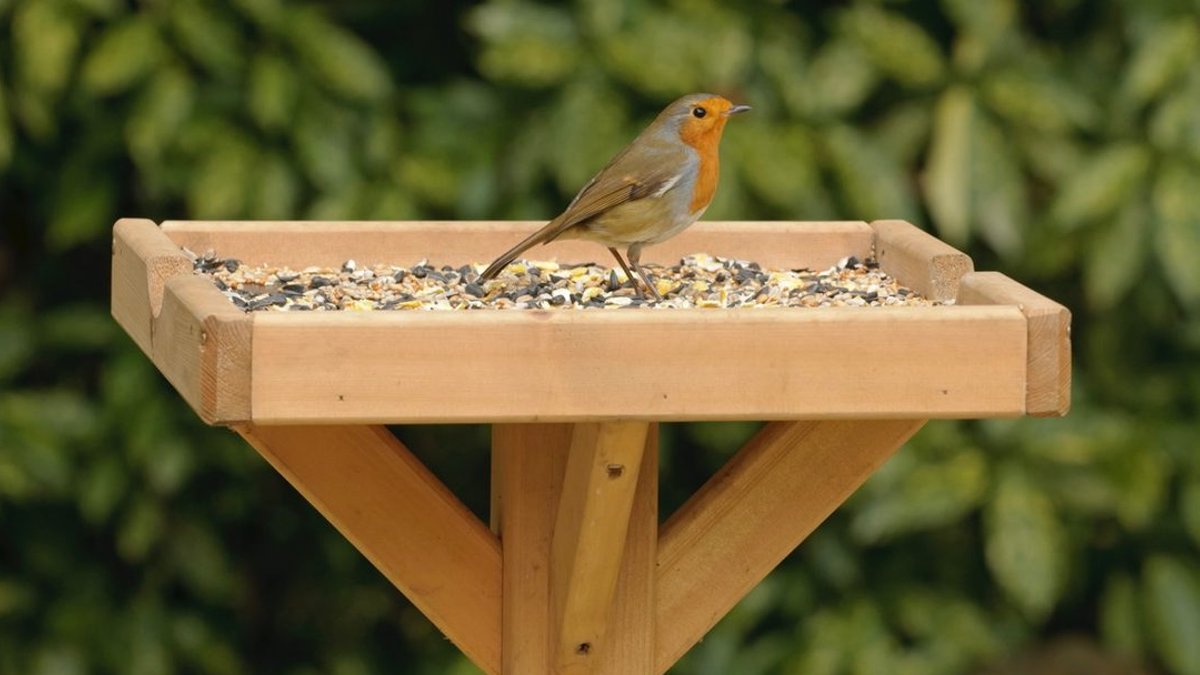
The RSPB cites the spread of trichomonosis, a parasite that thrives in warm weather. The charity notes that leaving out seeds and peanuts encourages birds to gather in one spot, increasing contact between individuals. Flat-surfaced feeding tables further heighten the risk by allowing droppings and debris to contaminate food. This concentration of birds has been linked to sharp declines in greenfinch populations, which have dropped by 67% since the Big Garden Birdwatch began in 1979. As a result, the species now appears on the UK Red List.
The parasite, Trichomonas gallinae, survives in feeders rather than on their surfaces. When an infected bird buries its beak into food, saliva transfers the parasite. If the food is damp and warm—conditions that mimic a finch’s digestive tract—the parasite replicates. Dick Woods of Finches Friend explains that this cycle can quickly spread illness through a flock.
The Royal Horticultural Society (RHS) supports the RSPB’s stance by announcing it will no longer sell bird seed mixes and peanuts during the summer months. Helen Bostock, a senior wildlife expert at the RHS, argues that creating a welcoming habitat through planting is a more sustainable approach. She recommends growing insect-attracting plants like field scabious and lavender, as well as seed-rich flowers such as sunflowers and teasels. Allowing flowers to go to seed and leaving stems standing over winter also provides invertebrates for birds to eat.
Read Also: Green spaces shield UK cities from heatwaves and save NHS
Better Ways to Feed Birds
Despite the new guidance, experts caution against a blanket stop to feeding. Finches Friend describes the RSPB’s approach as a “sledgehammer” measure for a complex problem. Dick Woods suggests that if half of gardeners pause feeding, the remaining feeders will see higher traffic, potentially increasing disease spread. Bird populations are also expanding as chicks begin to fledge, adding pressure to the system.
The RSPB encourages gardeners to focus on creating a bird-friendly habitat. This involves planting species that attract insects and provide seeds, offering a natural food source for birds. The RHS recommends field scabious, dog rose, and lavender to draw invertebrates during summer. For autumn and winter, seed-rich flowers like sunflowers, cornflowers, angelica, and teasels are ideal. Leaving these plants to seed and keeping stems over winter supports invertebrates, which birds feed on.
In addition to flowers, maintaining long and short grass areas benefits different bird species. Goldfinches favor dandelions in longer grass, while blackbirds, thrushes, and starlings hunt for worms and invertebrates in shorter grass. Berrying shrubs and trees such as hawthorn, elder, ivy, viburnum, Rosa rugosa, and honeysuckle provide essential food during autumn and winter, ensuring birds have year-round resources.
Safer Feeding Tools in the Works
The RSPB is developing and testing safer feeding products, aiming to offer designs that minimize disease risk. These include feeders that keep food dry and isolated from birds until consumption, as well as those that can be cleaned quickly. Water rings and dust baths are suggested as alternatives to traditional bird baths. Finches Friend, a company specializing in disease-resistant feeders, began product development in 2016.


