
A condominium association in a high-risk area for water damage is addressing three persistent problems: unauthorized hot tub installations, plumbing leaks causing flooding, and inconsistent parking enforcement.
The community has seen multiple hot tubs installed without board approval, increasing concerns over deck deterioration and structural safety. Though newer hot tubs weigh less and leak less than older models, a structural engineer must verify whether existing decks can support the load. The board should establish formal guidelines specifying requirements such as model specifications, maximum weight limits, and removal obligations if a unit changes ownership or is vacated. Owners would also bear responsibility for repairing common-area damage linked to their hot tubs.
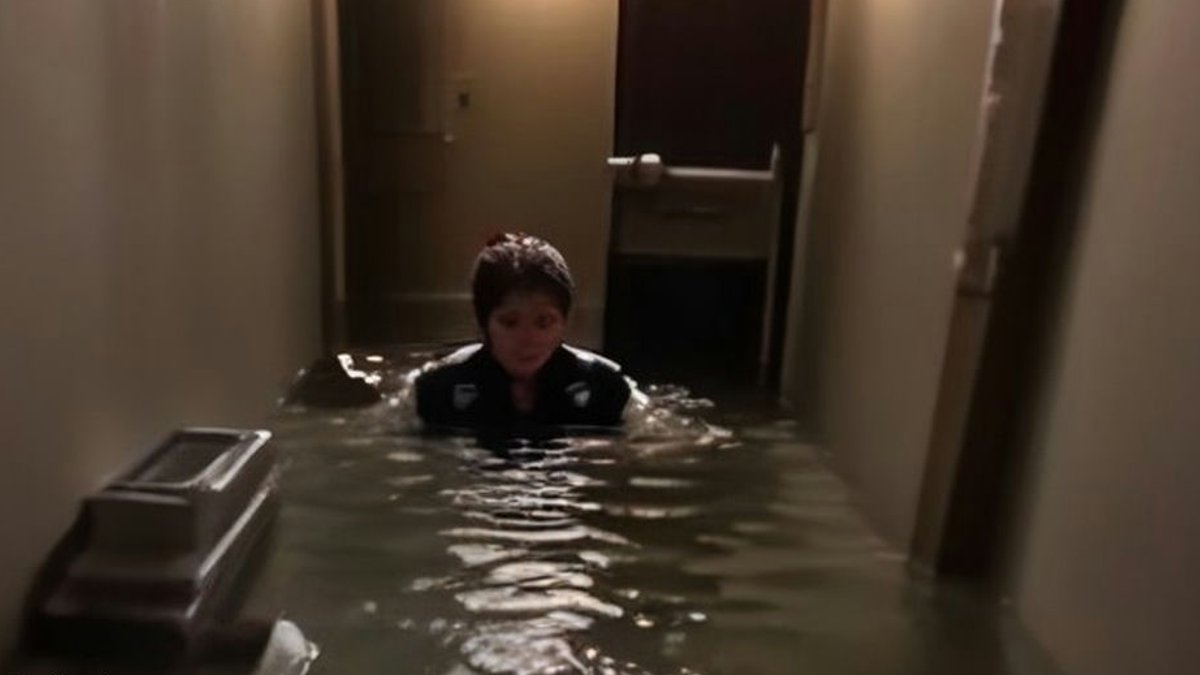
Plumbing failures in individual units have led to repeated flooding on lower floors, forcing the board to explore mandatory inspections by licensed professionals. However, financial accountability for damage from unit-specific plumbing issues should shift to the responsible owners, experts advise. This approach would clarify expectations and shield the HOA from liability for problems outside its direct control.
Enforcing parking rules poses another challenge. One resident has stored four abandoned vehicles in a garage meant for active use, violating community standards. While the board can restrict unsightly or excess vehicles, uneven enforcement risks legal disputes. Setting a strict limit, such as two vehicles per unit, could provide clearer boundaries. Consistent application is key: resolving this case fairly means identifying and addressing similar violations across the entire complex.
Most HOAs must convene quarterly gatherings, with emergency actions permitted only in critical situations. Non-emergency changes require advance notice to residents, who have the right to participate. Swift action may be necessary in crises, but transparency prevents disputes over unannounced policy shifts.
Proactive policy-setting, on hot tubs, plumbing maintenance, or parking limits, helps HOAs avoid costly repairs and legal conflicts later. Residents who demand exceptions often exploit ambiguities, turning well-intentioned regulations into sources of contention.


