
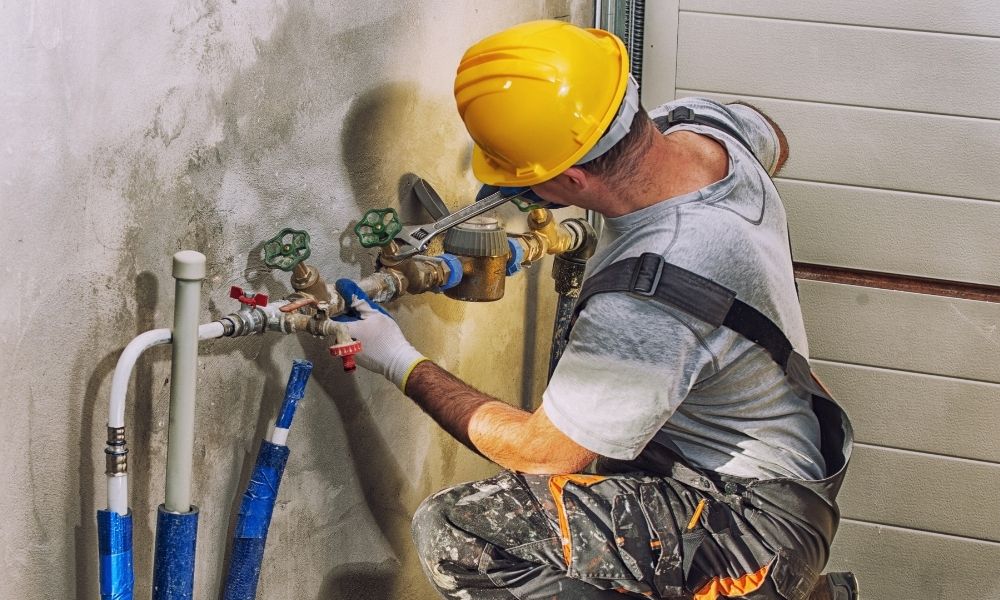
When a plumbing system shows signs of distress, homeowners are often faced with a difficult choice: address a minor issue quickly to prevent long-term damage, or wait to see if the problem resolves itself. This tension between immediate action and the desire to avoid unnecessary service calls is a common experience for those managing a household. Understanding the range of professional interventions available for plumbing repair and sewer line repair can help clarify the decision-making process when complications arise.
Assessing Potential Risks in Home Plumbing Systems
The plumbing infrastructure within a home is designed to function as a closed, reliable network, yet it remains vulnerable to external factors and the passage of time. Residents often notice subtle indicators that a system is under pressure, such as fluctuating water pressure, slow drainage in multiple fixtures, or damp patches appearing near walls or floors. These signs frequently suggest that the underlying plumbing is experiencing fatigue or blockage.
When considering plumbing repair, it is helpful to distinguish between issues that involve simple fixture maintenance and those that suggest a deeper systemic problem. For instance, a single faucet that leaks can typically be addressed with basic parts. However, if multiple drains throughout a home act sluggishly, the concern often shifts toward the main sewer lateral. Addressing these indicators early is a primary strategy for avoiding more invasive and costly work later.
Understanding the Scope of Sewer Line Repair
A sewer line repair project is typically more intensive than standard interior plumbing tasks because the primary pipe connects the home to the municipal system or a septic area. Over time, these lines may become obstructed by accumulated debris, household waste, or environmental factors such as encroaching vegetation.
When professional assistance is required, the diagnostic phase is crucial. Practitioners often use camera inspection technology to view the interior of the line. This approach provides a clear look at the condition of the pipe, allowing for a better understanding of whether a clog is localized or if the structural integrity of the line has been compromised. Common methods for resolution might include high-pressure cleaning to clear out blockages or, in more severe scenarios, targeted methods to address sections of pipe that are no longer functioning correctly.
Factors That Influence the Repair Strategy
Several considerations typically shape the path taken during a professional assessment. A service provider will often look at the age and material of the existing pipes, as older systems may have different needs than modern installations. The location of the issue is also a key factor; a blockage near the main transition point often requires a different approach than a clog located deep within the yard.
Homeowners should consider the following factors when discussing options with a service provider:
- Longevity of the Solution: Ask the provider about the difference between temporary clearance and permanent remediation.
- Property Considerations: Inquire about how different methods might affect landscaping or hardscaping if the work involves accessing buried lines.
- System Integrity: Discuss whether the issue appears to be a one-time obstruction or a sign that the overall pipe system is aging.
- Preventive Measures: Consult the professional on habits that can help maintain the system’s health following the repair.
Evaluating these points allows for a more balanced view of the trade-offs involved in various repair approaches, ensuring that the chosen solution aligns with the long-term needs of the home.
Aligning Maintenance with Individual Household Needs
Choosing a path for sewer line repair near me or general plumbing maintenance is ultimately about balancing immediate relief with future reliability. For some homeowners, proactive inspections are a preferred way to gain peace of mind, especially in properties where trees or older infrastructure are present. For others, the focus may remain on responding to specific symptoms as they appear.
When selecting a professional to assist with these tasks, it is beneficial to look for providers who emphasize clear communication. A reliable service provider should be willing to explain what they find during an inspection, discuss the reasoning behind their recommendations, and clarify why one approach may be more suitable for your specific situation than another.
Engaging with a professional who views their work as a partnership rather than just a transaction can make a significant difference. By asking detailed questions and understanding the mechanics behind the repair, you can feel more confident in the steps taken to protect your home. Whether you are dealing with a recurring drain issue or investigating a potential systemic fault, taking an informed approach helps ensure the longevity and stability of your home’s water and waste systems. Focusing on transparency and preventive reasoning is a sustainable strategy for any homeowner looking to manage their property effectively.


