
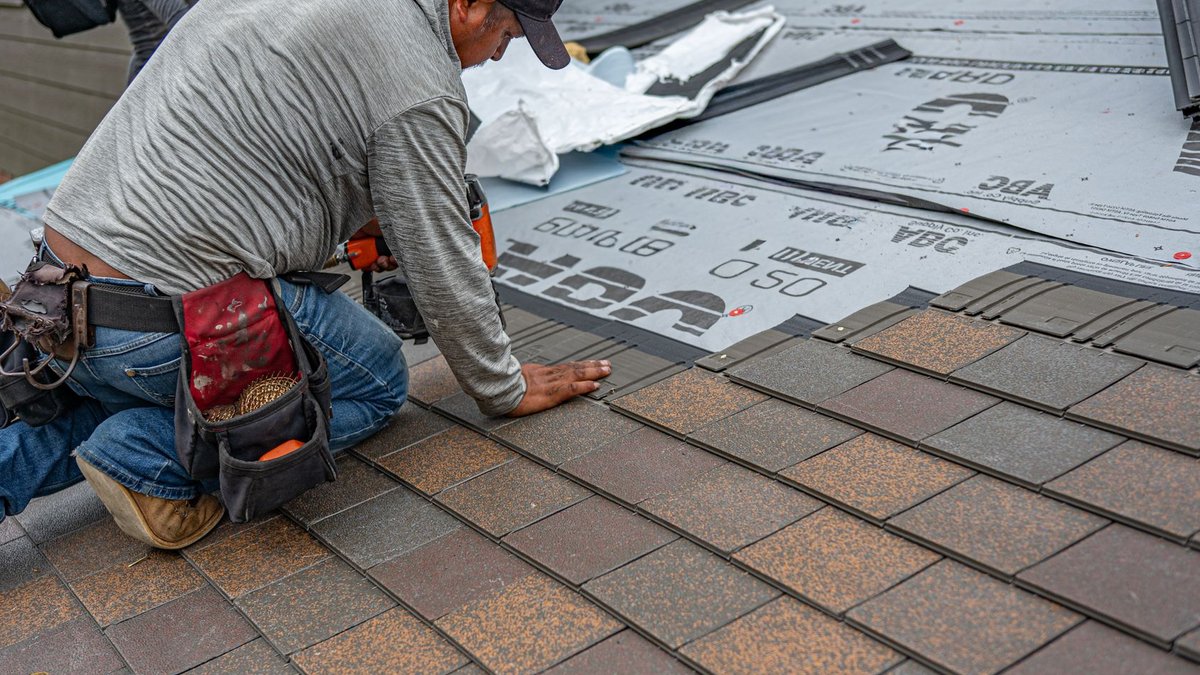
Florida’s harsh climate, marked by hurricane-force winds, intense summer heat, and persistent humidity, subjects roofs to extreme stress, distinguishing durable installations from those that deteriorate within years. This environment amplifies the importance of selecting a reputable roofing company. With conditions far more demanding than most states, the choice of contractor significantly impacts a roof’s longevity and performance in Florida’s unique challenges.
The 5 factors to consider when choosing a roof replacement company in Florida come down to licensing, local experience, warranty terms, pricing transparency, and reputation. Getting all five right is essential to having a roof built to last through whatever the Atlantic throws at it. All five factors are necessary to ensure a roof that withstands the challenges of Florida’s climate.
Valid Florida Licensing and Proper Insurance
Checking the contractor’s license is the first step, as any roofer in Florida who operates legally must hold a state-issued roofing contractor license from the Florida Department of Business and Professional Regulation. This can be verified directly on the DBPR website in about two minutes. If a company can’t produce a license number, it’s best to end the conversation right there.
Insurance is also non-negotiable, as the contractor needs general liability coverage and workers’ compensation. Without workers’ comp, you could be on the hook if someone gets hurt on your property during the job. Asking for certificates of insurance and calling the insurer to confirm those policies are active is essential.
Unlicensed work also voids manufacturer warranties, which can be a headache to discover after a major storm. Florida’s licensing system exists for a reason, and a few quick checks upfront can protect you from legal exposure and a roof that won’t survive its first real test.
Direct Experience With Florida’s Climate and Building Codes
Florida’s climate is a specific engineering challenge, and a company that’s done most of its work in other states won’t have the same familiarity with Florida Building Code requirements, wind-uplift ratings, or the moisture-management details that matter in a subtropical environment. You need a contractor who knows how to build a roof that meets Florida’s hurricane provisions.
Read Also: First-time homebuyers must align tax slips with statements
Asking how long the company has operated in Florida and what percentage of their work is residential roof replacement in the state can give you an idea of their experience. A contractor with a decade of local experience has already worked through the problems that trip up newer entrants and knows which materials hold up in coastal humidity.
Local experience also means knowing your county’s permit requirements cold, as pulling permits isn’t optional, it’s what protects you when you eventually sell the home or file an insurance claim. A contractor who suggests skipping permits to save time is telling you something important about how they handle the rest of the job.
A company that stands behind its work for ten years sends a different signal than one offering twelve months, and this reflects how confident they actually are in their own installation.
For instance, a company that provides a detailed written estimate that breaks down material costs, labor, disposal fees, permit fees, and anything else that could affect the final price is more likely to be transparent and trustworthy. On the other hand, a company that asks for outsized upfront deposits or provides vague lump-sum bids may be hiding something.
Warranty coverage is another critical aspect, with two separate warranties mattering on a roof replacement: the manufacturer’s warranty covering materials and the contractor’s warranty covering labor. A 30-year shingle warranty is meaningless if the workmanship that installed those shingles fails in year two.
A company’s labor warranty length reflects its confidence in its own installation. A ten-year labor warranty sends a different signal than a twelve-month warranty. It is essential to ask exactly what each warranty covers and what voids it, and to get the full warranty terms in writing before any work starts.
Red Flags to Watch For
Contractors who ask for large upfront deposits are a concern. A reasonable deposit ties payments to project milestones. Full payment before completion leaves little recourse.
Read Also: Garage upgrades can boost home sales appeal
Be wary of contractors who suggest skipping permits. This indicates how they handle the rest of the job. Permits protect homeowners when selling or filing claims.
Check a company’s operating history and ask for references. Call references to learn about the contractor’s work. This provides more insight than online listings.
Transparent Pricing and Verifiable Reputation
Vague lump-sum bids make it nearly impossible to compare contractors or understand what you’re actually paying for. When getting multiple estimates, it is key to go through them line by line to see what’s behind the numbers.
A higher bid might include better materials and a longer labor warranty. Watch out for contractors who ask for outsized upfront deposits before work begins.
Online reviews tell you what a company’s actual customers experienced. Look at Google reviews, check the Better Business Bureau for complaint history, and search the company name alongside words like “complaint” or “problem” to see what surfaces outside managed platforms. Pay attention to how long the company has been operating under the same name, as a long record matters more than any badge on their website.
Ask for references from completed jobs in the last year, then actually call them. Ask whether the crew showed up on schedule, whether the final cost matched the estimate, and whether they’d hire the same company again. You’ll learn more from that ten-minute conversation than from any online listing. The right contractor is what stands between a result that protects your home for decades and one that creates expensive problems down the road, with a well-built roof being the difference.


