
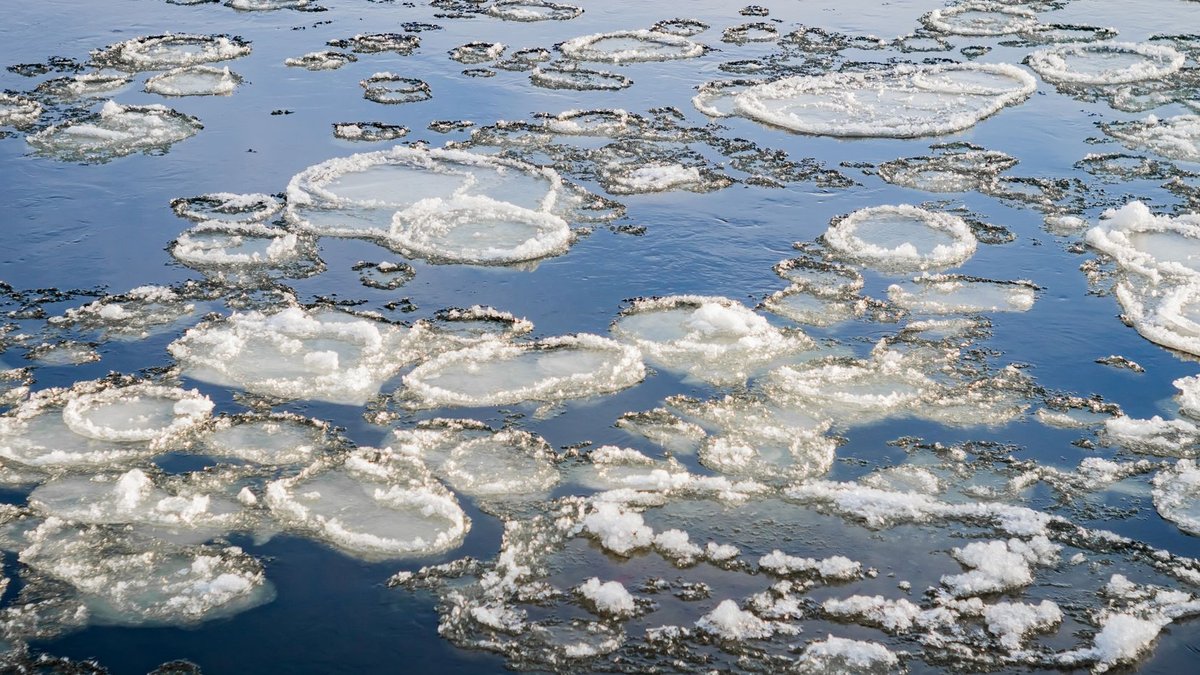
Winter weather can cause expensive damage to homes and property, especially through the freeze-thaw cycle. This cycle involves melting snow and ice seeping into cracks and porous materials, then refreezing and expanding as temperatures drop, widening cracks and weakening surfaces.
How Freeze-Thaw Cycles Damage Property
The freeze-thaw cycle gradually worsens small cracks in foundations or driveways over time. Water melts daily in the sun, seeps into surfaces, and refreezes at night. This expansion puts pressure on materials, leading to significant damage by spring.
Understanding this process is key to prevention. Homeowners can take proactive steps to minimize the impact of the freeze-thaw cycle on their property.
Protecting Driveways and Walkways
Driveways and walkways are particularly vulnerable to freeze-thaw damage. Sealing asphalt and concrete surfaces can limit water penetration. Addressing existing cracks before winter prevents them from expanding further. Keeping these areas clear of snow and ice reduces the amount of water that can cause damage.
While these measures won’t eliminate freeze-thaw damage entirely, they can significantly reduce its impact. Homeowners may also consider professional snow removal services to manage significant snowfall and prevent excessive accumulation.
Maintaining Gutters and Downspouts
Gutters and downspouts play a critical role in directing melted snow and ice away from the roof. Clogged gutters can lead to water accumulation and ice dams, which are a leading cause of winter water damage. Cleaning gutters and checking downspouts for obstructions before winter is essential.
Ensuring downspouts are positioned correctly to direct water away from the foundation is also key. This prevents water from pooling and causing damage to the home’s structure.
Preventing Foundation Damage
Foundation damage is notoriously expensive to repair and can lower property value. Water pooling around the foundation can freeze and expand cracks. Homeowners should inspect for foundation cracks before winter and address them promptly.
Ensuring the soil slopes away from the foundation allows water to flow away easily. A little preventive effort can save tens of thousands of dollars in potential repairs. Over time, consistent maintenance can help preserve the integrity of the foundation and the overall value of the property.
Managing Snow and Ice Accumulation
Prompt removal of excess snow and ice is one of the most effective ways to combat freeze-thaw damage. Large snowbanks can block water drainage, exacerbating the problem.


