
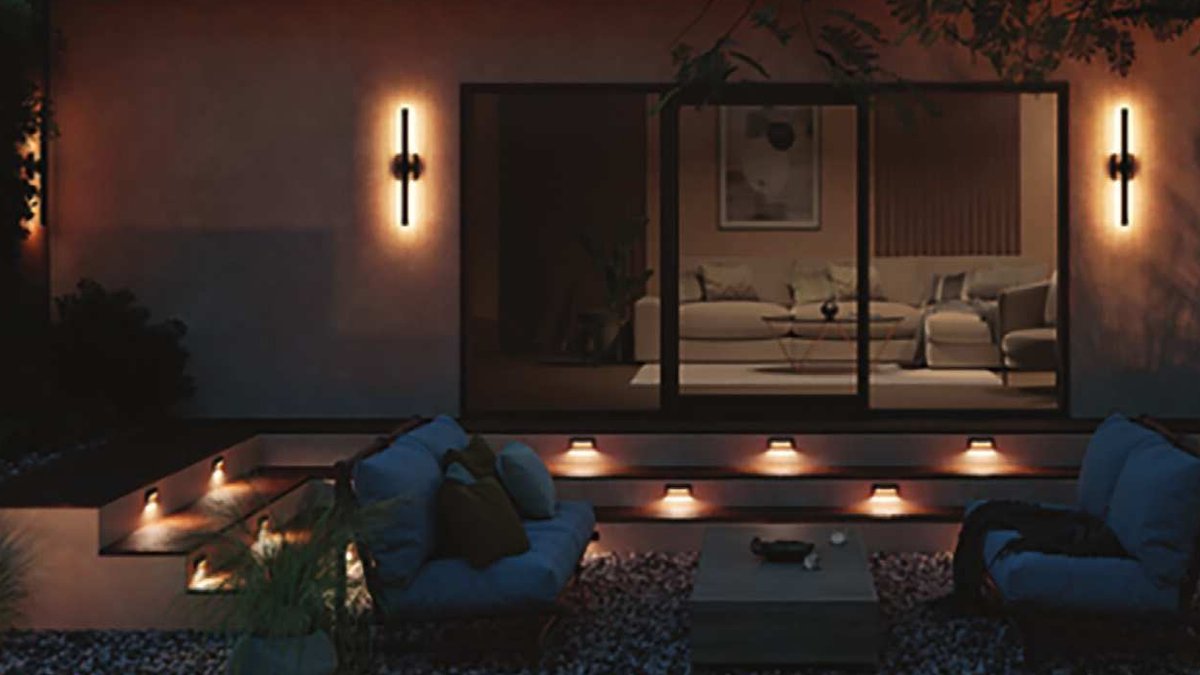
The night sky, once a universal constant, is vanishing under the glow of artificial light. Across Canada, a quiet movement is pushing back—one that treats darkness not as a void to be filled, but as a natural resource worth protecting. This shift in perspective reflects a growing recognition that the night is not merely the absence of day, but an active, vital part of the planet’s ecology. For centuries, humans have relied on the stars for navigation, agriculture, and storytelling, yet modern lighting practices have eroded this connection. The loss is not just visual; it disrupts the rhythms of life that have evolved over millions of years, from the migration patterns of birds to the flowering cycles of plants.
Why the stars are disappearing
Light pollution doesn’t just dim the view of the Milky Way. It creates a sky glow that drowns out stars, planets, and even the faintest celestial objects, such as nebulae or distant galaxies that require true darkness to be observed. This phenomenon occurs when artificial light scatters in the atmosphere, creating a diffuse haze that obscures the natural night. Beyond the aesthetic loss, this wasted light represents a significant energy inefficiency. Streetlights, commercial signs, and residential fixtures that shine upward or sideways contribute to unnecessary electricity consumption, which in turn increases reliance on fossil fuels and heightens carbon emissions. The ecological consequences are equally profound. Nocturnal animals—birds, insects, mammals—depend on darkness to hunt, forage, and reproduce. Migratory birds, for instance, use the stars to orient themselves during long-distance flights, and artificial light can disorient them, leading to collisions with buildings or exhaustion from circling illuminated areas. Insects, which form the base of many food chains, are drawn to light sources, often dying from exhaustion or becoming easy prey. Plants, too, rely on natural light cycles to regulate growth, flowering, and dormancy. When these cycles are disrupted, it can alter pollination patterns, affect seed germination, and even change the composition of entire plant communities.
Humans aren’t immune to these disruptions. Artificial light at night suppresses melatonin, the hormone responsible for regulating sleep-wake cycles. Chronic exposure to light pollution has been linked to sleep disorders, increased stress levels, and a higher risk of certain health conditions. The cultural impact is just as significant. The night sky has been a source of inspiration for millennia, shaping myths, religions, and scientific inquiry. When the stars fade, so does the ability to connect with this shared heritage. The loss is also psychological; the night sky has historically provided a sense of scale and perspective, reminding humans of their place in the universe. Without it, the world can feel smaller, more confined.
How communities are fighting back
Canada has become a leader in dark-sky preservation, with initiatives that span from national parks to local neighborhoods. Parks Canada designates Dark-Sky Preserves, where lighting is strictly controlled to minimize pollution. These areas are chosen for their existing low light levels and are managed to ensure that any artificial light used is directed downward, shielded, and limited in intensity. The program has expanded to include Urban Star Parks, which bring dark-sky principles to more populated areas, and Nocturnal Preserves, which focus on protecting habitats for nocturnal wildlife. Municipalities are also taking action, adopting bylaws that require shielded fixtures, timers, and warm-color bulbs. These regulations often target streetlights, commercial signage, and residential outdoor lighting, mandating that fixtures be fully shielded to prevent light from spilling upward or sideways. Some cities have gone further, implementing “lights-out” programs during peak migration seasons to reduce bird collisions, or dimming non-essential lighting after certain hours. The goal isn’t to eliminate light, but to use it more thoughtfully—directing it where it’s needed, when it’s needed, and in a way that minimizes harm.
Related: Indoor-Outdoor Spaces Redefine Modern Home Living
In cottage country, where the stars still feel close enough to touch, families gather on docks and decks to watch meteor showers or trace constellations. These moments don’t just happen; they’re preserved by choices—like installing motion-activated path lights that only illuminate when someone is present, or swapping bright white bulbs for amber ones, which have a narrower spectrum and less impact on wildlife. Some communities have organized “star parties,” where residents gather to observe the night sky through telescopes, often with guidance from local astronomers. These events serve as both education and advocacy, demonstrating the value of dark skies while encouraging others to adopt better lighting practices. The changes may seem small, but they add up. A single unshielded porch light can cast a glow that affects the night sky for miles, while a well-designed fixture can provide the same visibility without the pollution.
For those who want to start, the basics are simple but effective. Fully shielded fixtures prevent light from spilling upward, which is the primary cause of sky glow. Timers and motion sensors cut unnecessary use, ensuring that lights are only on when needed. Red filters on flashlights help maintain night vision without disrupting the environment, as red light is less likely to interfere with the circadian rhythms of humans and wildlife. These adjustments don’t require major sacrifices; they’re about making smarter choices with the technology already available. It’s not about living in the dark; it’s about living with the dark, recognizing that the night has its own value and deserves to be preserved.
The movement isn’t just about seeing more stars. It’s about remembering that the night sky isn’t a backdrop—it’s part of the living world. And like any natural resource, it needs protection to survive. The benefits extend beyond astronomy; darker skies improve safety by reducing glare, which can actually make it easier to see at night. They also enhance the quality of life, allowing people to reconnect with a part of nature that has been a constant for all of human history. In places where the Milky Way still stretches overhead, the difference is palpable. It’s a reminder that darkness isn’t empty. It’s full of stories, waiting to be seen—and if we’re not careful, those stories could disappear before we even realize they’re gone.


