
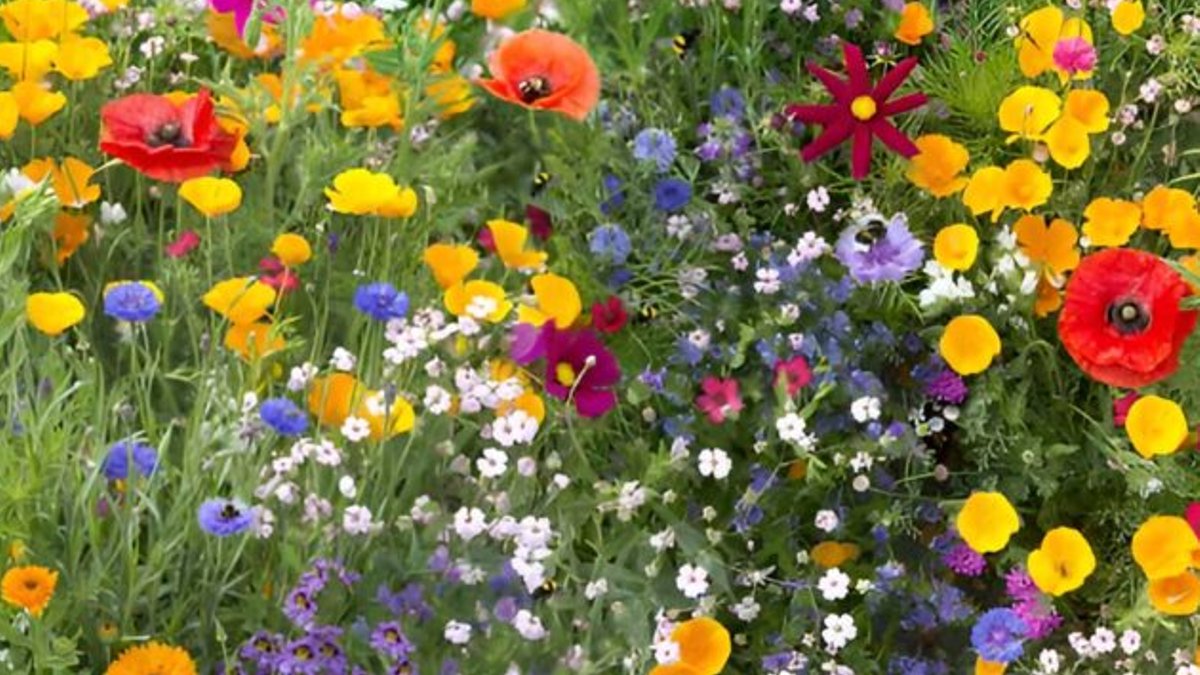
Lawn-free garden ideas are gaining traction as homeowners look for sustainable alternatives to traditional grass. The familiar square of neatly mowed lawn is losing ground to more creative outdoor spaces that support biodiversity and require less maintenance. Plantlife’s no-mow May campaign has helped shift attitudes toward letting gardens grow wild. Going grassless offers practical benefits beyond aesthetics, from water conservation to carbon storage.
Why Ditch the Lawn?
Grass requires constant upkeep. Mowing, watering, and fertilizing consume time and resources. Lawn-free gardens can significantly reduce maintenance demands while creating habitats for pollinators and other wildlife. Deeper-rooted plants and trees also sequester more carbon than grass, helping offset atmospheric emissions. Some homeowners are choosing to let their lawns grow into wild grasslands, which can function as carbon sinks while supporting local species.
Water conservation presents another compelling reason to reconsider turf. Lawns demand substantial irrigation to stay green, especially during dry spells. By contrast, drought-tolerant plantings require far less supplemental water once established. This approach, sometimes called xeriscaping, proves particularly valuable in regions prone to water restrictions or prolonged droughts.
Plants That Work
Perennial pollinators form the backbone of many grassless designs. These plants live for multiple years and return from the same root systems, offering reliable sources of nectar and pollen season after season. Unlike annuals, perennials typically bloom over extended periods, supporting bees, butterflies, and other beneficial insects throughout the growing cycle. The Royal Horticultural Society maintains extensive lists of suitable species, ranging from red campion and dog rose to foxgloves and wild basil.
Related: DIY Solar Power Choices
Wildflowers bring visual impact alongside ecological value. Many tolerate drought conditions, reducing the need for irrigation and upkeep. Shingle gardens offer another dimension. This permeable material allows rainwater to filter through, improving drainage and helping regulate soil temperature. The late Derek Jarman’s celebrated garden at Prospect Cottage in Dungeness demonstrates how coastal plants can thrive in such conditions, with species like cotton lavender and Californian poppy growing stronger in shingle than in conventional borders. The area’s unique topography, designated as a National Nature Reserve, hosts over 600 plant species and extensive shingle habitats.
Beth Chatto’s gravel garden in Essex provides further inspiration. Famous for never being watered, it showcases how drought-tolerant plants can create beauty without constant intervention. Sea kale, sea holly, and aromatic lavender all perform well in similar conditions, tolerating salty coastal air and windy exposures.
Paths, Decks, and Borders
Walkways become essential when gardens fill with diverse plantings. Stone paths, stepping stones with gaps for plants to grow through, or rustic timber walkways all work well. Zigzagging routes through planting beds softens the boundary between constructed and natural elements. Natural stone flooring and tiles offer durability while complementing lush borders.
Decking serves as versatile hard landscaping. It can level uneven ground and create usable surfaces on slopes. Two main options exist: timber certified by the Forest Stewardship Council, or composite materials made from recycled wood and plastic. Composite decking tends to be more durable and requires less ongoing care. Raised levels can zone different areas of the garden, working particularly well alongside soft grasses surrounding water features or seating areas.
Related: Boost garden room Wi-Fi signal easily
Expanding borders opens space for experimentation. Wide, informal plantings suit gardens left to natural growth. When planning borders, consider soil type, sun exposure, and wind exposure. The RHS recommends calculating the area to determine plant quantities—roughly five herbaceous perennials or three small shrubs per square meter. Deep curved borders running along garden edges can create dramatic visual impact.
Adding Water
Ponds attract diverse wildlife and suit gardens of any size. Modern designs can resemble reflection pools, adding contemporary flair. Water features like bubbling bowls provide simpler options for smaller spaces. Some homeowners install natural swimming ponds or larger pools, though these require more planning and investment. Quick Fix for a Soothing Garden Oasis offers ideas for incorporating water elements.
Rain gardens offer practical solutions in areas with inconsistent rainfall. These plantings collect and filter stormwater runoff from hard surfaces, slowly releasing it into the ground. This approach helps control soil erosion while making use of precipitation that might otherwise flow into storm drains.
The shift toward lawn-free designs reflects broader changes in how people want to use their outdoor spaces. Gardens increasingly function as retreats for relaxation and connection with nature, rather than displays of manicured perfection. Whether through wildflower meadows, gravel gardens, or thoughtful border combinations, going grassless opens possibilities that traditional lawns simply cannot match.


