
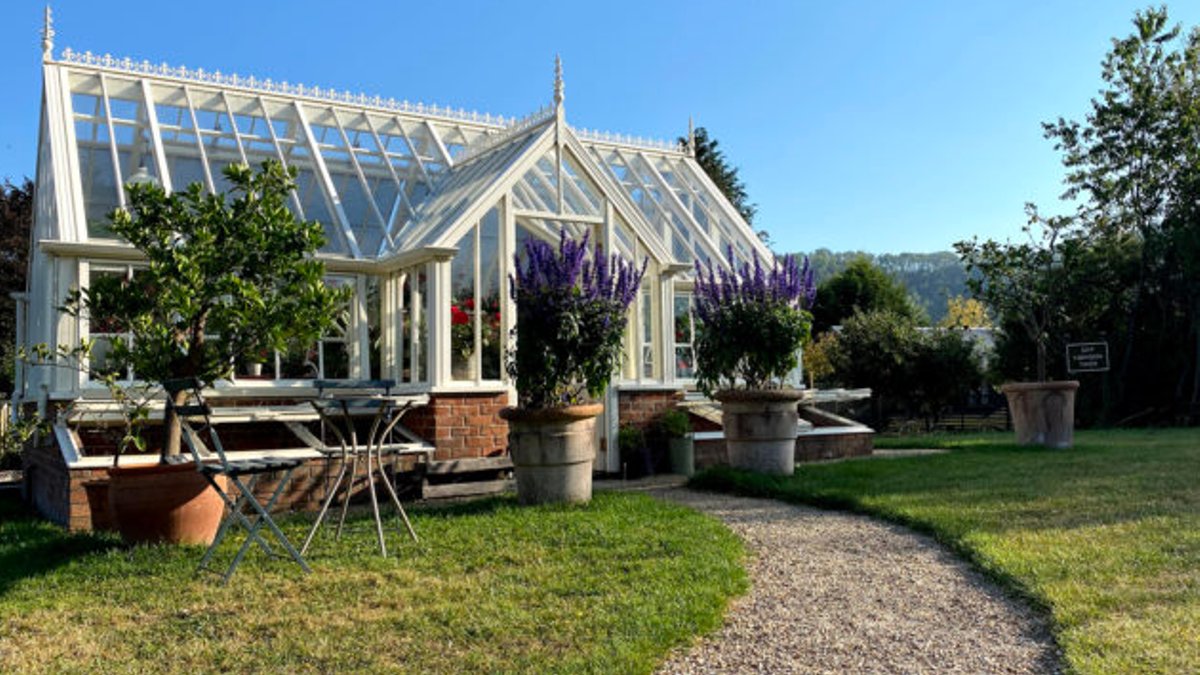
For anyone looking to expand what can be grown at home, a greenhouse guide can help turn a modest garden into a year‑round production space.
Frame and glazing choices
Frames typically come in aluminum or timber. Aluminum offers low upkeep; a spokesperson from a custom‑glasshouse maker says it’s “beautiful, sustainable and structurally sound – and they come without the upkeep that wood requires.” Wood can be painted, but it needs regular attention to keep rot away.
Glazing options include glass, clear polycarbonate and acrylic. Glass lets in the most light, stays clear for years and can be recycled, but it must be installed so panes aren’t under stress, and it needs frequent cleaning. Toughened glass is recommended for doors and other vulnerable sections.
Polycarbonate is lighter and cheaper, yet it can fog and diffuses sunlight, which may limit seedling growth. It is technically recyclable, though the process is not common because of BPA concerns. Acrylic transmits a similar amount of light to polycarbonate but is more brittle.
Related: Homeowners Embrace Lawn-Free Garden Designs
Site selection and foundation
Sun exposure is the top priority, according to a greenhouse supplier: “Place your unit in an area that gets plenty of sunlight, preferably for most of the day.” A flat, well‑drained spot prevents water pooling, and tall trees should be avoided to keep the light level high.
Many models sit on an integral metal base that can be set directly on a level surface. This simplifies installation and adds structural strength. When an integral base isn’t offered, a separate base must be assembled and anchored before the frame goes up.
Some owners prefer a brick or cement pad; others rest the structure on compacted soil. Experts advise that any ground surface be level and firm. In practice, a compacted soil base can be reinforced with ground anchors and brackets for added stability.
When space is limited, lean‑to or small units provide a lighter, cheaper alternative that still creates a protective microclimate for seedlings and tomatoes.
Related: Plumbing Repair and Sewer Line Repair Options for Homeowners
Compared with the basic kits of a decade ago, today’s options often include stronger frames and better‑designed bases, reflecting a shift toward longer‑term investment rather than a short‑term hobby.
Ventilation, heating and interior accessories
Effective airflow prevents temperature swings. Roof vents, louvered sections and manually operable doors are common.
Choosing the right unit involves balancing light transmission, durability, site conditions and long‑term costs. With careful planning, a well‑chosen greenhouse can extend the growing season by several weeks and broaden the variety of crops a gardener can successfully cultivate.


