
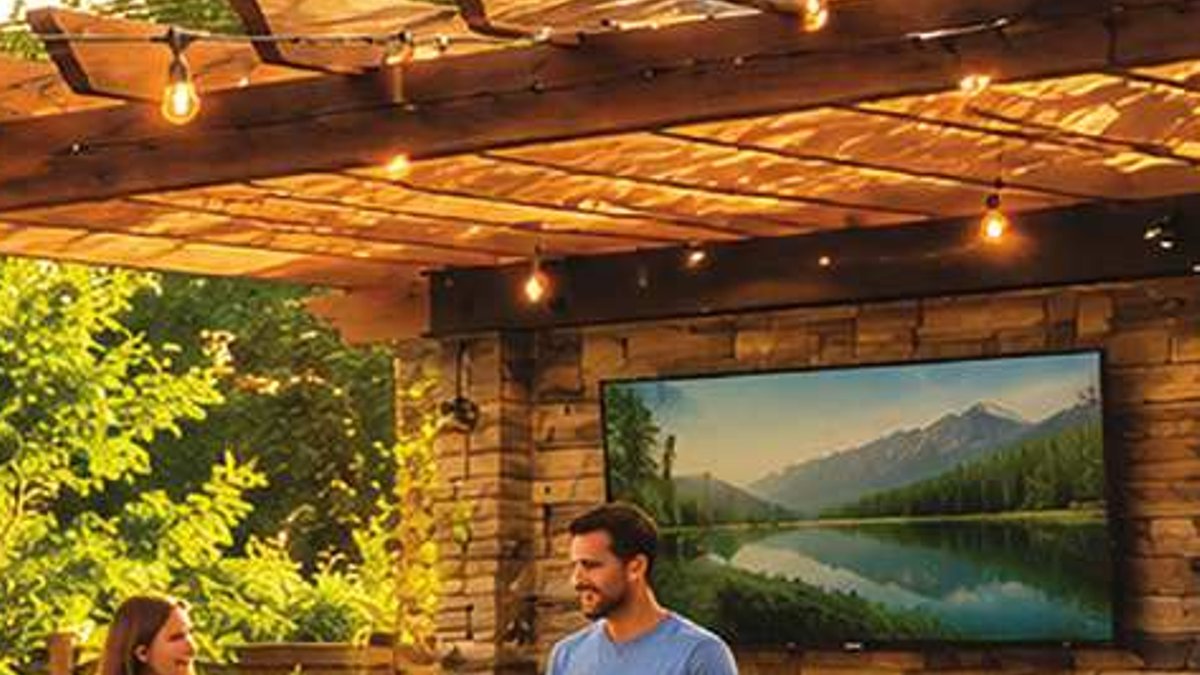
The American backyard is changing. No longer just a patch of grass with a grill and a plastic chair, it has become a second living space designed for cooking, exercise, relaxation, and work.
From patios to personal compounds
Homeowners are transforming outdoor areas into what some describe as a multifunctional retreat—a collection of purpose-built zones serving different needs. An outdoor kitchen sits beside a fire pit lounge, which borders a small gym or a detached workshop. Saunas and cold plunge tubs share space with raised garden beds and shaded seating. The focus is on function, not just appearance.
The shift reflects broader changes in how people use their homes. With rising travel costs and busy schedules, many families are investing in the space they already have. Instead of planning vacations, they are creating destinations just outside their back doors. A well-designed backyard can host dinner parties, morning yoga, weekend woodworking, or quiet evenings with a book—all without leaving the property.
Related: How to keep the night sky dark
Factors behind the trend
Remote work has contributed to this evolution. As more people work from home, the distinction between indoor and outdoor spaces has faded. A backyard gym or detached studio can double as a workspace, while a shaded patio becomes a place for calls or emails. Though the pandemic accelerated this change, the trend has continued beyond lockdowns.
Not every project prioritizes immediate results. Proper site preparation—grading, drainage, and foundation work—adds time and expense upfront but prevents costly repairs later. A poorly installed patio may shift or crack within a few years, while a well-built one can last decades. Contractors say homeowners who skip this step often regret it.
Future directions
Popular additions now include outdoor kitchens with built-in grills, sinks, and refrigeration. Wellness spaces are also in demand, with saunas, cold plunges, and quiet spaces for relaxation becoming common. Families are installing sports courts and play structures, while hobbyists are creating workshops and garden structures.
Related: Odyssey-inspired interiors take a moody turn
Not every yard can fit all these features. Urban lots and smaller suburban spaces require creative solutions like vertical gardens, foldable furniture, or multi-use structures. Even on a modest scale, the principle remains: the backyard is part of the home, not an afterthought.
A Phoenix couple converted their 1,200-square-foot backyard into connected “rooms.” One area features a fire pit and built-in benches, another holds a small greenhouse, and a third includes a compact gym with rubber flooring. “We didn’t have space for a full home gym, but this works,” they said. “It’s changed how we spend weekends.”
The trend is unlikely to slow. As more people prioritize their homes over external experiences, the backyard is becoming a standard expectation. The goal is not to impress neighbors but to maximize the space they already own.


