
When horror filmmakers want to unsettle audiences, they often abandon the traditional haunted house in favor of locations that feel familiar yet suddenly foreign. This Halloween, four films have turned everyday spaces into nightmares, from subway corridors to summer camps, revealing how the mundane can become a breeding ground for terror.
The Commute From Hell
In Exit 8, which premiered at Cannes in 2025, a subway station transforms into a nightmarish escape room. Based on a video game of the same name, the film follows a nameless protagonist known only as The Lost Man, who finds himself trapped in an endlessly looping corridor at a Tokyo subway station. The sterile, tile-clad space, marked by confusing wayfinding signs, was filmed on a Yokohama studio set and at real locations including Higashi-Shinjuku Station in Tokyo.
The Lost Man discovers a set of instructions promising escape: “If you find an anomaly, turn back immediately. If you do not find any anomalies, do not turn back.” Each mistake resets him to Exit 0, forcing him to confront increasingly bizarre encounters while facing existential questions about his life. The film uses the liminal nature of transit spaces—a daily ordeal for millions—to explore themes of disorientation and self-discovery.
Read Also: Montreal’s Dining Scene Defined by Design Innovations
Camp Miasma and the Queer Awakening
Director Jane Schoenbrun’s surrealist slasher Teenage Sex and Death at Camp Miasma (2026) reimagines the summer camp setting as a site of queer revelation and horror. The story centers on Kris Williams, played by Hannah Einbender, an emerging director determined to reboot the cult Camp Miasma franchise with its original star, Billy Presley (Gillian Anderson). Her quest leads her to the shuttered camp where the original film was shot, now a frozen wilderness hiding its own monster.
The film’s antagonist, “Little Death,” is a gender-fluid killer inspired by the French euphemism for an orgasm. Williams seeks to humanize this character, while the camp itself becomes a metaphor for adolescence. Production designer Brandon Tonner-Connolly and Matt Hyland used glass plates painted with storybook-like vistas, employing a Schüfftan process reminiscent of Metropolis, to create a nostalgic, lo-fi aesthetic. The result is a setting where joyful crafts and terrifying killings coexist, blurring the line between innocence and horror.
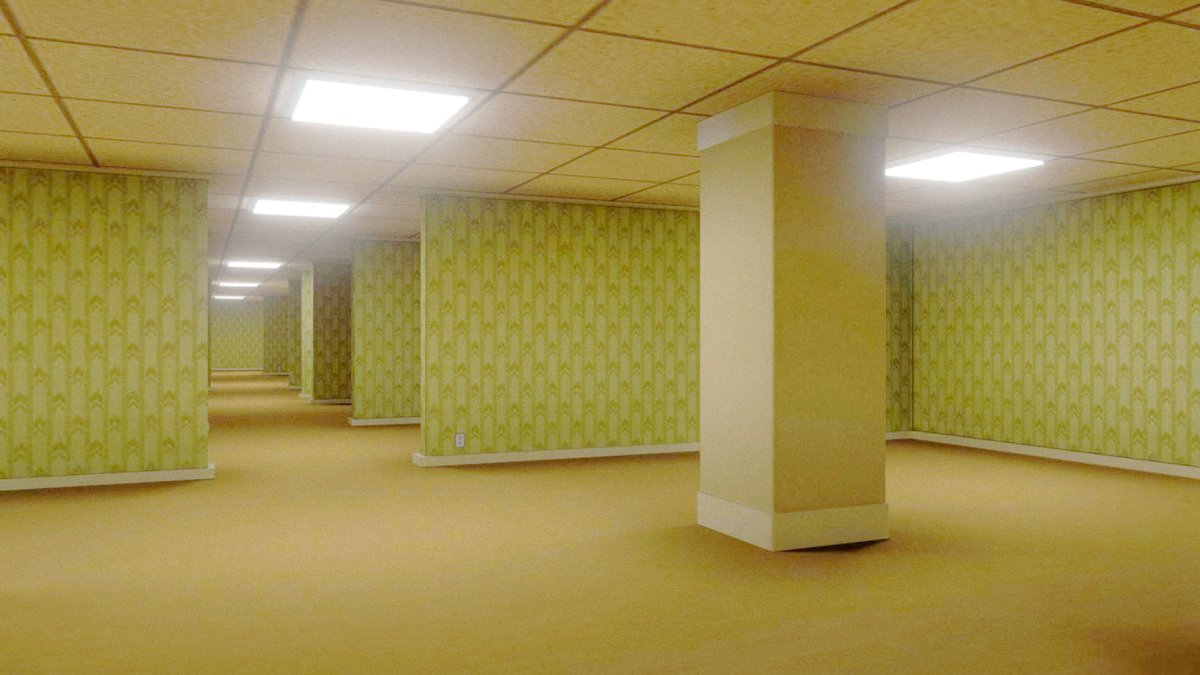
Backrooms, directed by Kane Parsons, adapts his own web series inspired by a 2019 creepypasta thread. The story follows Clark, an architect played by Chiwetel Ejiofor, who stumbles upon a hidden portal in his struggling showroom’s basement. This portal leads to an endless network of frightening interconnected rooms. The set was constructed across four Vancouver soundstages using Blender 3D software to craft its claustrophobic corridors.
Read Also: BDNY 2026 previews next-gen hospitality design
Survival in Constructed Wilderness
Sam Raimi’s Send Help shifts horror from urban claustrophobia to the illusion of pristine nature. The film centers on Linda Liddle and Bradley Preston, played by Rachel McAdams and Dylan O’Brien, who survive a plane crash in the Gulf of Thailand. Linda, a strategy expert, builds shelters and hunts wild boars, while Bradley, injured and reliant on her, becomes her captive. The wilderness setting, often romanticized in survival narratives, is subverted as Linda confronts both perilous terrain and psychological manipulation.
She identifies poisonous plants and leads Bradley along dangerous cliff paths, all while wielding a knife found on the shore. Yet the story’s twist reveals the “remote” wilderness is not untouched nature but a constructed reality. A luxury mansion perched on a cliff, visible through Linda’s discoveries, exposes the fantasy world as a scene within another, taunting viewers with capital’s omnipresence. The film critiques the myth of wilderness by juxtaposing survivalist tropes with the reality of engineered environments. These films remind us that terror can lurk in any space, making the familiar feel foreign and frightening.


