
More than 4 million homes in the UK now have air conditioning, doubling the count from three years ago. Many others still seek affordable ways to cool their living spaces.
What window stacking involves
Window stacking layers different types of window coverings to block heat, control light, and improve comfort during hot weather. The approach combines multiple layers for better results than a single covering.
Anthony Threlfall, head of marketing at Everest, stated the method provides greater control over indoor temperature and airflow.
Anton Neike, CEO of Taupia, described an effective setup using two window openings—one lower down and another higher up. Cool air enters through the lower window while warm air escapes through the upper one.
Neike added that in two-storey homes, opening first-floor windows on the windward side and second-floor windows on the opposite side works well.
Effective layering techniques
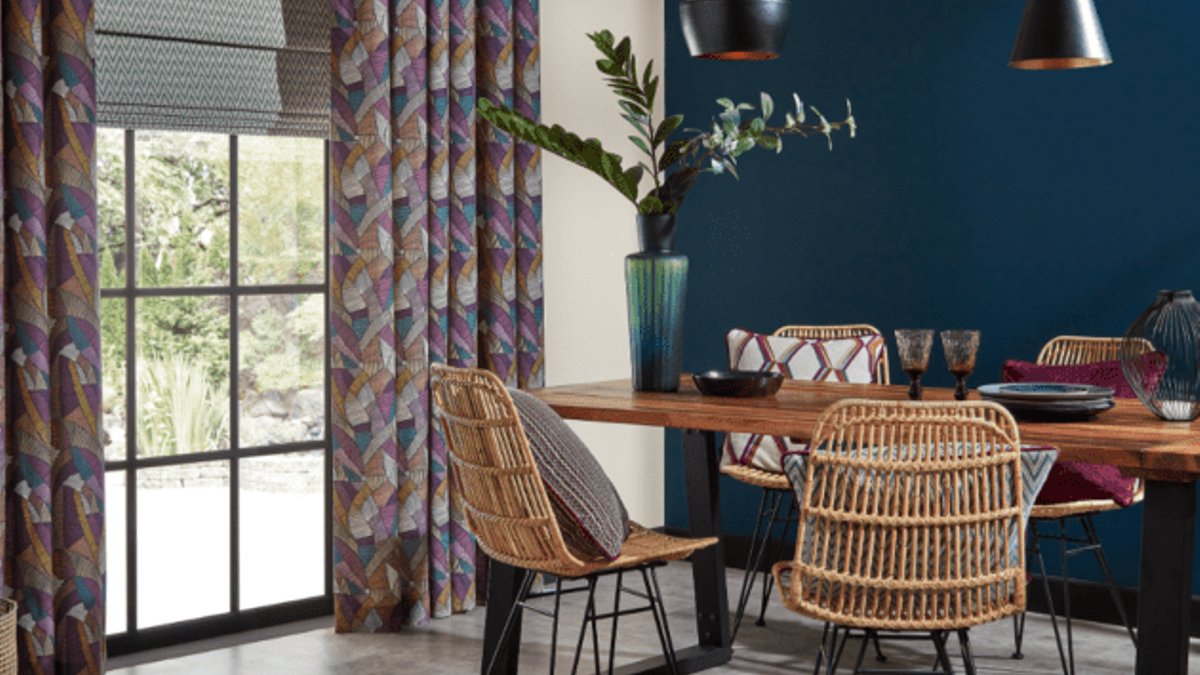
Debbie Leigh, design manager at ILIV, suggested starting with a sheer or voile fabric near the glass to diffuse strong sunlight without blocking natural light. A thermal or blackout roller blind should follow, pulled down during peak heat. Curtains form the final layer, allowing adjustments as temperatures shift.
Related: Kim Kardashian’s Odd Block Brief Leaves Teams Crying
Heavy fabrics can trap heat, and too many layers may restrict airflow, creating a stuffy environment. Leigh emphasized that window treatments should be easy to modify throughout the day.
Mistakes to avoid
The most common error is opening windows during midday heat, which allows warm air inside and raises indoor temperatures. The stack effect only works when outside air is cooler than inside, making early morning and late evening the best times for ventilation.
Another problem involves using overly thick fabrics. While heavy curtains may seem effective, they often trap heat instead of reflecting it. Over-layering can also reduce airflow around the window, making rooms feel stuffy.
Threlfall noted that when applied correctly, the approach is one of the most practical ways to maintain comfort during rising temperatures.
For those unfamiliar with the method, it may seem like extra effort. During heatwaves, small changes—such as opening the right windows at the right time—can improve comfort without the expense of air conditioning.


