
The debate over residential cooling often centers on high energy consumption, yet modern air conditioning systems are shifting the conversation. While these units are effective at managing rising temperatures, their environmental footprint depends largely on the source of electricity used to power them. By utilizing renewable energy tariffs or personal solar arrays, homeowners can mitigate the carbon output typically associated with cooling systems.
Modern equipment functions as an air-to-air heat pump, moving heat energy by compressing and expanding a refrigerant. Because these devices are effectively reversible, they can provide both cooling and heating, as well as dehumidification and air filtration. The actual cost and carbon impact of operation depend on the variance between outdoor and indoor temperatures.
Related: Slim sliding doors vary in quality
Using such technology during peak hours, specifically between 6:00 p.m. and 10:00 p.m., relies more heavily on gas-fired power plants. Daytime operation often taps into a grid with higher renewable participation.
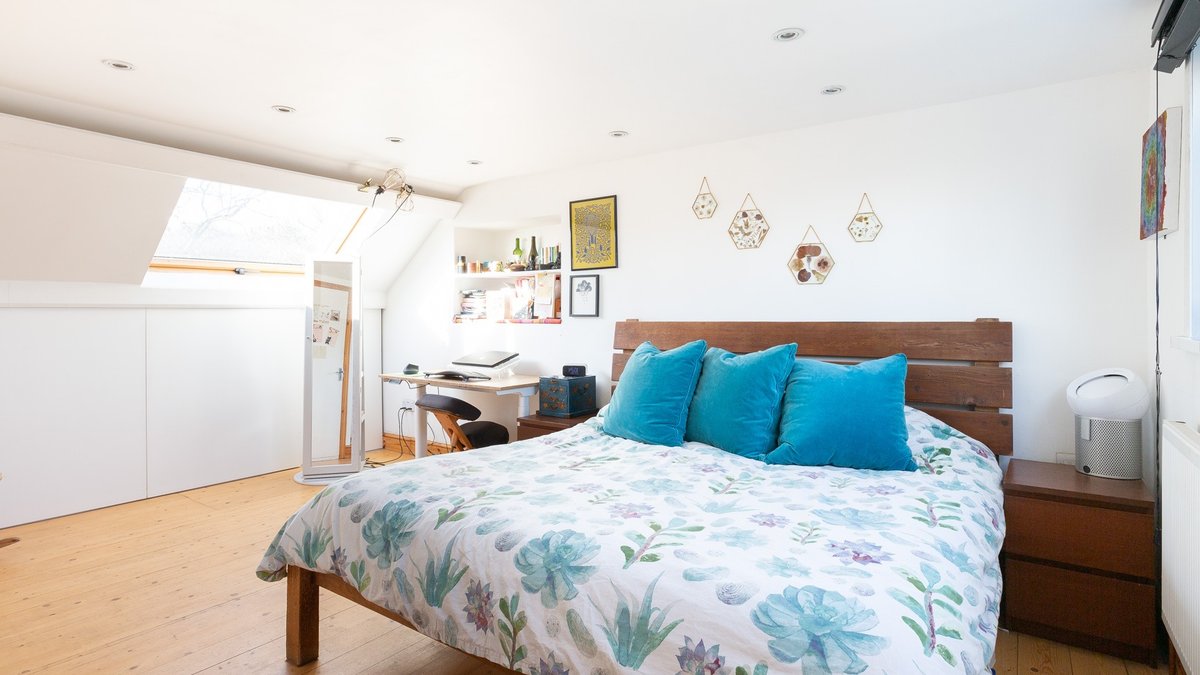
For many residents, the primary issue is the physical structure of the home rather than the unit itself. Loft conversions, in particular, are prone to becoming heat traps because they are exposed to direct sunlight and often lack sufficient insulation. Upgrading these spaces with better thermal mass can reduce the reliance on mechanical cooling. For those facing extreme heat, a fixed installation provides a more reliable remedy than portable fans. Homeowners who install are making a long-term investment that reduces the need for frequent replacements and minimizes the embedded carbon of manufacturing.
Companies like BOXT have introduced remote survey models to lower costs, utilizing video calls and digital photos to generate quotes. This approach can lead to more improvisation on the day of installation. Technicians may identify better placement options than those identified during a preliminary remote check. For example, installers might suggest mounting an outdoor unit on a roof rather than a wall, particularly if the home has external insulation that complicates traditional bracket mounting.
Related: Warm winter pajama sets replace flannelette sheets
The installation process typically requires a separate electrician to finalize the wiring after the initial mechanical setup. Once operational, the Bosch model can be configured to run only while the user is falling asleep, which helps manage both electricity bills and total energy consumption. While the initial hardware and labor represent a significant cost, the ability to control indoor environments during heatwaves remains a priority for many households. The goal is to balance the need for immediate comfort with a commitment to minimizing long-term environmental consequences through careful operation and clean energy choices.
Proper maintenance ensures these cooling systems remain effective throughout their lifespan.


