
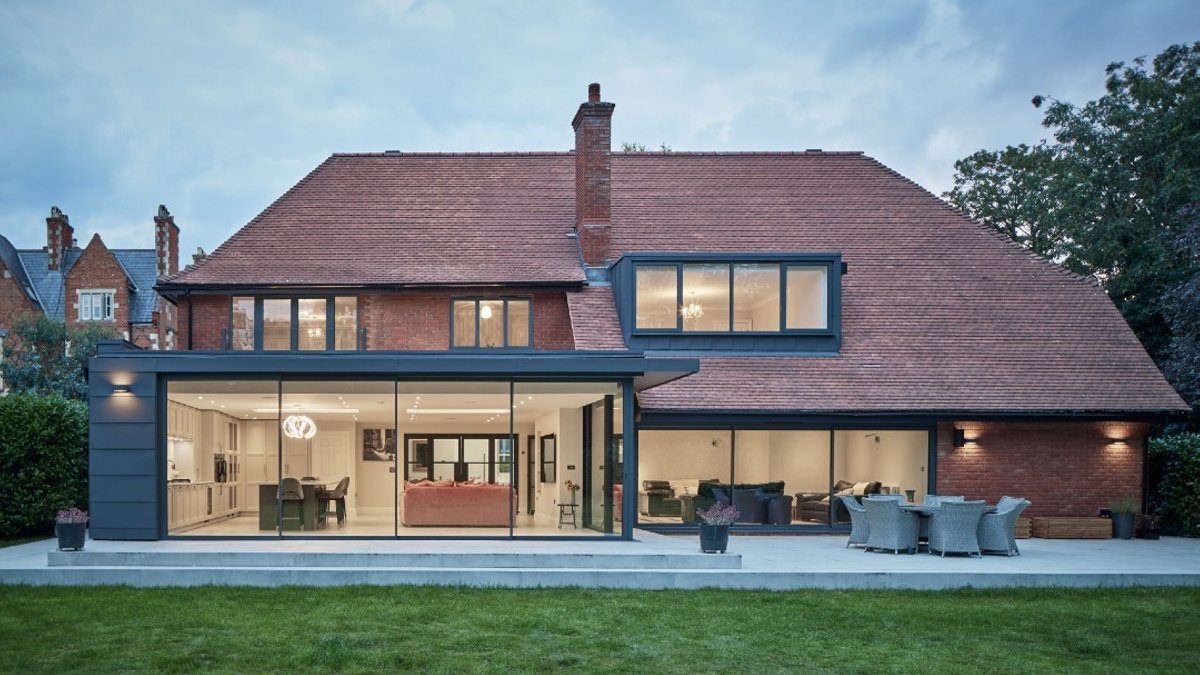
Slim sliding doors have become a key element in modern home renovations, offering uninterrupted views and seamless transitions between indoor and outdoor spaces. Performance and durability vary widely among different systems.
Thermal performance that meets building standards
Energy efficiency has long been a concern with large glazed doors. Older aluminum frames were known for poor insulation, but improvements in thermal breaks—materials that reduce heat transfer—have addressed this issue. Current systems comply with Building Regulations Document L, which sets strict limits on heat loss.
The SF80, a German-engineered system from IDSystems, achieves U-values as low as 0.8W/m²K with triple glazing. That figure matches Passivhaus standards for ultra-low-energy buildings. The doors also withstand wind and rain better than most, making them ideal for exposed locations. Homeowners benefit from lower heating costs and consistent comfort throughout the year.
Details that determine long-term satisfaction
Buyers typically focus on visible features like frame width and glass area, but installation methods play an equally important role. Many slim sliding systems use structurally bonded glazing, where adhesive permanently attaches the glass to the frame. While this approach looks clean, damage or seal failure can require replacing the entire panel, leading to high costs and disruption.
IDSystems’ EDGE2.0 and SF80 avoid this problem with non-bonded glazing. Instead of adhesives, they use removable glazing beads, allowing glass replacement without affecting the frame. This feature could prevent expensive repairs if an accident occurs later.
Related: Toughest Test Yet for Block Contestants
Frame depth and flexibility influence design options
While sightline width—the visible frame between panes—receives the most attention, the EDGE2.0 features ultra-slim 20mm sightlines.
Early slim sliding systems often required compromises, such as fixed panels or awkward sightlines. Modern systems adapt to the home’s design instead.
The benefits extend beyond appearance
The advantages of slim sliding doors go deeper than aesthetics. Replacing solid walls with expansive glass fills interiors with natural light, making rooms feel larger and more connected to outdoor spaces. During warmer months, wide openings create a seamless transition between inside and outside, simplifying entertaining and making gardens feel like extensions of living areas.
Over time, differences between systems become apparent. A door that’s difficult to open, allows drafts, or needs expensive repairs will disappoint homeowners long after installation. The best systems combine visual appeal with practical features—like replaceable glass and energy efficiency—to ensure lasting satisfaction.
This distinction separates products that look impressive in showrooms from those that perform well in real homes. For homeowners considering home design trends, these details make a significant difference in long-term value.


