
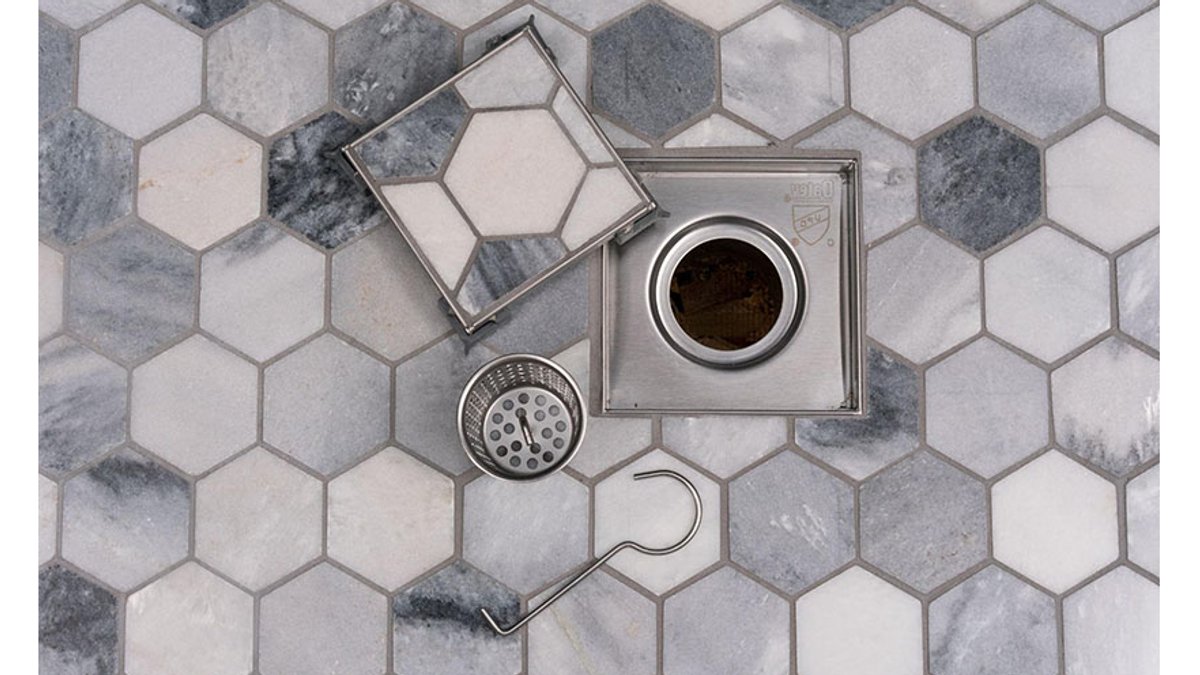
A newly completed bathroom is judged by its visible features: tile layout, vanity, lighting, fixtures, and finishes. Yet, the most impactful design decisions are those homeowners encounter months or years later, such as a slow drain, an inaccessible valve, or difficult cleaning.
Designing bathrooms with maintenance in mind doesn’t compromise aesthetics. It involves selecting components that are easier to access, remove, and clean, and coordinating their locations before walls and surfaces are closed. These details reduce disruption, protect finishes, and ensure the bathroom functions well long after installation.
Plan Access Before It’s Needed
Cleanouts, access panels, and isolation valves are practical elements that deserve attention during the design phase, especially in bathrooms with tiled walls, built-in tubs, or concealed plumbing.
Overlooking access can lead to future repairs requiring cutting into drywall, removing trim, or disturbing finished surfaces to reach plumbing. Key considerations include:
Strategic Cleanout Placement for Future Maintenance
Cleanouts: A sanitary cleanout provides an entry point for clearing a drain line. Its location should be functional for plumbers while remaining discreet. Depending on the layout, it may be placed beneath a sink, inside a cabinet, or behind an access panel.
Access Panels: These serve a similar purpose for components hidden behind walls, including shutoff valves, drains, and cleanouts. They can be flush-mounted or surface-mounted and positioned behind a bathtub, inside a closet, or in another unobtrusive location. Planning the panel with millwork, tile, and wall layout makes it feel intentional.
Specify Drain Components That Can Be Cleaned From Above
Drains are chosen partly for appearance, but their maintenance features significantly impact the homeowner’s experience. Shower drains with removable debris baskets or accessible strainers can capture hair before it clogs the piping. Routine maintenance becomes simpler, and blockages can be addressed early.
For example, Oatey decorative shower drains combine designer grates with a sloped drain body that supports proper drainage. A removable debris basket captures hair, while a lifting key allows the grate to be removed from above for cleaning.
For lavatory drains, a stopper that lifts out from above the sink gives homeowners direct access to hair and debris without disassembling plumbing. This reduces the risk of leaks and makes maintenance less intimidating.
The Dearborn Universal Pop Down Sink Drain is an example of a lavatory drain that balances function with design. Its stopper sits flush with the basin when open, and its push-to-open, lift-to-clean design allows for easy removal from above.
When selecting a drain, consider how to remove the cover, strainer, or stopper, what tools are required, and whether the homeowner can access the collection point without disturbing cabinetry or piping. This is essential for layouts with tightly enclosed plumbing.
Related Post: Mary Fisher Knott, kitchen and bath design pioneer, dies
Innovative Drain Solutions for Easy Maintenance
Drain Seals: For infrequently used drains, such as those in guest bathrooms, a drain seal can prevent sewer gas and insects from entering the room when the trap dries out. Installed within the drain, it allows water to pass through while blocking odors. Replacement can be done from above, avoiding access to concealed components.
Linear Drains: A linear drain uses a single-plane slope, allowing for large-format tiles or solid-surface materials in the shower. Fewer grout joints mean less accumulation of soap residue, grime, mold, and mildew. This design also supports a more continuous visual transition into the shower, including curbless applications.
Designers must coordinate the drain location, waterproofing system, tile thickness, and finished floor elevations early, as these factors affect both performance and appearance.
Homeowners may not initially ask about cleanout access or removable strainers, but they’ll appreciate these details when cleaning a drain or addressing a plumbing issue. A maintenance review can be built into the specification process. Before finalizing the bathroom, identify shutoff locations, confirm access to concealed plumbing, test drain component removal, and consider where debris or standing water could collect. Documenting these items for the homeowner can also streamline future service.
Preventing Sewer Gas with Drain Seals
Floor drains rely on water in their traps to prevent sewer gas from entering a room. In guest bathrooms or areas with infrequent use, the trap can dry out, allowing odors to seep in. While trap primers can replenish the water, they are mechanical and may fail or be overlooked during maintenance.
Drain seals offer an alternative solution. Installed within the drain, they allow water to pass while blocking sewer gas and insects when the drain is dry. Replacement is straightforward, as the seal can be pulled out and replaced from above, avoiding the need to access concealed mechanical components.
Shower drainage impacts not only the drain location but also tile size, floor slope, and grout line maintenance. Traditional center drains often require a four-way slope, leading to smaller tiles and more grout lines, which can accumulate soap residue, grime, mold, and mildew.
This reduces grout lines and simplifies cleaning. Additionally, linear drains support seamless visual transitions, including curbless shower designs. Early coordination of drain location, waterproofing, tile thickness, and floor elevations is essential for both performance and aesthetics.
Expert Insights on Practical Bathroom Design
Sean Comerford, Manager of Inside Sales and Tech Support at Oatey Co., brings nearly 20 years of plumbing experience to the table. As a third-generation tradesman, he has served as the lead plumber for commercial and residential new-construction, service, and fire protection projects, offering valuable insights into practical bathroom design.
Preventing Sewer Gas in Infrequently Used Drains
This solution is particularly relevant for secondary bathrooms or emergency floor drains. The appropriate method depends on the specific use and local plumbing codes, so consulting a professional is essential for product selection and installation.


