
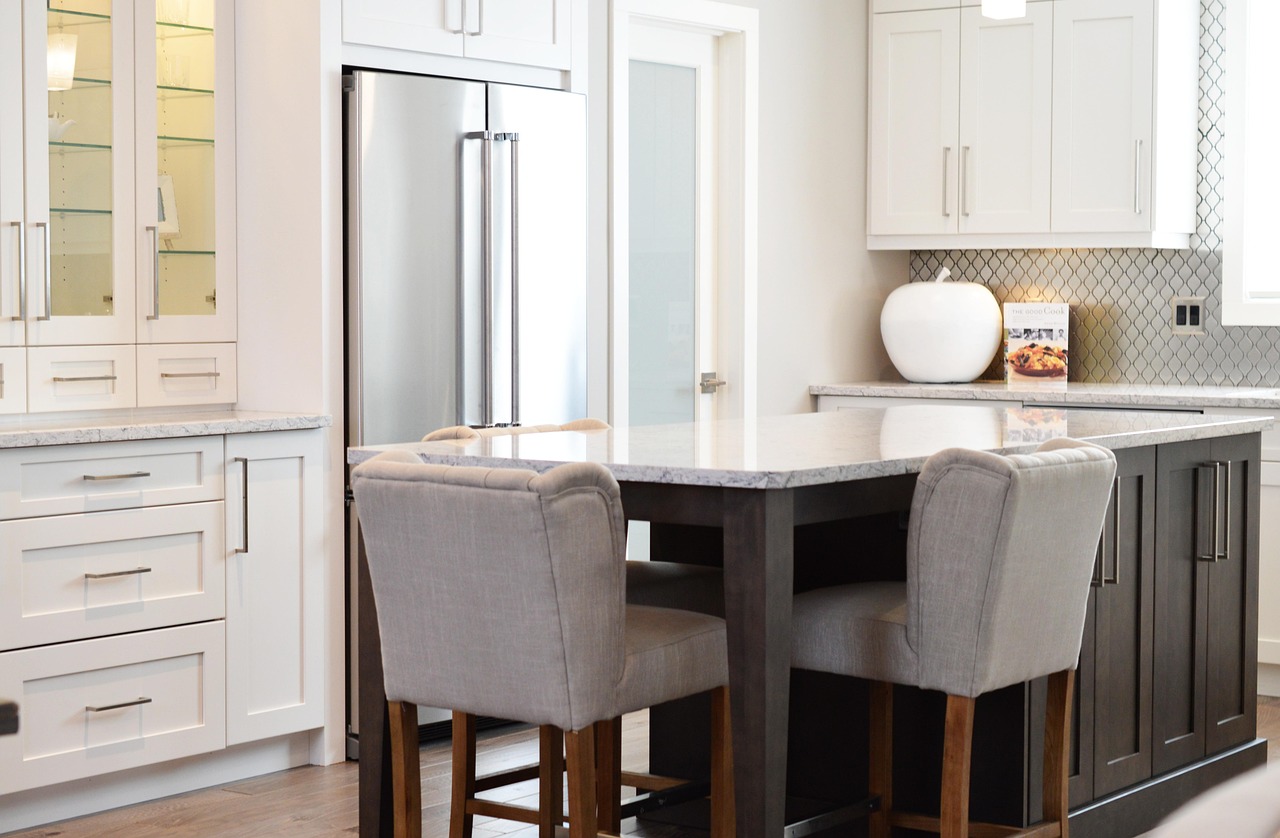
A waterfall kitchen island has become a recognizable element in contemporary kitchen remodels, offering both visual impact and functional benefits.
What defines a waterfall kitchen island
According to the head of design at Halcyon Wigmore Street, a waterfall kitchen island is created when the countertop material extends past the cabinet edge and continues vertically down the sides, sometimes reaching the floor on one or both faces. This continuation forms an architectural detail that frames the island and produces a striking visual statement.
Allison Lynch, director of the Roundhouse Cambridge showroom, notes that stone downstands are often used for a feature effect on the island or at the end of a cabinetry run that does not terminate at a wall. The result is a seamless surface that appears to flow uninterrupted from the worktop to the floor.
Practical advantages beyond aesthetics
Graham Robinson explains that the side of the island is finished in a durable worktop material rather than a painted or veneered panel, making it more resistant to everyday wear. In high‑traffic kitchens, this durability can translate into lower maintenance and longer lifespan for the island’s exposed edges.
Design director Tom Howley stresses the need to balance the visual appeal with layout considerations. He advises that an island should have sufficient surrounding space to maintain good circulation, and the chosen material must withstand daily family life because the exposed ends are more vulnerable to knocks and scuffs.
Allison adds that downstands can vary in thickness, providing opportunities for dedicated seating or the introduction of a contrasting material. This flexibility allows homeowners to customize the island’s dimensions, finishes, and functional features.
When selecting material, natural stone remains popular for its colour and veining. Deep‑veined stones, solid timber with finger‑joint details, and seamless resin surfaces such as Corian are all viable options. A thinner stone can be chamfered to create a “sharknose” edge, adding an interesting design detail.
Careful slab selection and vein matching are essential, especially with heavily veined stones. The pattern should flow from the worktop down the side, ensuring the finished result feels intentional and seamless.
While the visual impact of a waterfall island can be impressive, the cost factor cannot be ignored. More material and craftsmanship are required, so homeowners should weigh the aesthetic benefits against their budget.
Related: Tour Belgrave Villa’s dark red kitchen
Beyond the immediate kitchen, the presence of a waterfall island can influence the perception of the entire space. Its continuous surface often anchors the room, creating a sense of unity that can improve the overall design language.
The choice of material also affects how the island interacts with other finishes. A well‑balanced design integrates the island’s edges with cabinetry, flooring, and backsplashes, avoiding a disjointed appearance.
In practice, a waterfall island can serve as a focal point for both gathering and cooking activities. Its solid, uninterrupted surface provides a sturdy platform for meal preparation while also offering a visual anchor for seating arrangements, making it a versatile addition to modern homes.
From a broader perspective, the trend toward waterfall islands reflects a consumer desire for durability combined with high‑end aesthetics. As kitchens become central social hubs, homeowners increasingly value features that blend longevity with a sense of luxury, positioning the waterfall island as a practical yet stylish solution.
Choosing the right design for your space
Design professionals recommend evaluating the island’s scale relative to the kitchen’s overall dimensions. An oversized island may dominate the room, while a modestly sized one can enhance flow without overwhelming the layout.
Material selection should align with the broader palette of the kitchen. If the surrounding cabinetry and flooring feature neutral tones, a richly veined stone can introduce a subtle contrast without clashing.
Finally, potential buyers should be aware that installation requires skilled labor. The continuity of the countertop material demands precise cutting and fitting, which can add to the project’s timeline and cost.
Consider the impact carefully.


